

Private Health Insurance for Self-Employed People and Sole Traders
When your income depends on your ability to work, the right health insurance can make a real difference. Expert advice for freelancers, sole traders, consultants and self-employed professionals.

Kingsley has over 12 years' experience advising self-employed professionals and sole traders on private health insurance.
When You Work for Yourself, Your Time Is One of the Most Valuable Things Your Business Has
Weeks or months away from work can mean cancelled appointments, missed deadlines, delayed projects and clients going elsewhere. A longer absence can have an even greater impact.
The difficult part is that the business does not necessarily stop costing you money just because you stop working.
Your software subscriptions still renew. Your premises still need paying for. Your vehicle, equipment, professional insurance, advertising and other business costs may continue as normal.
That creates a problem many employed people do not experience in quite the same way.
The business can stop making money while it continues costing you money.
Private health insurance cannot prevent that from happening, and it does not replace your income if you're unable to work.
What it can do is give you more control over how quickly you find out what you are dealing with, and when any treatment happens.
If you can see a specialist sooner, you get answers sooner. If treatment is needed, you may be able to schedule it around your clients and commitments rather than waiting for an appointment you had no say in.
For someone whose business depends on your personal availability, that control can be worth understanding properly.
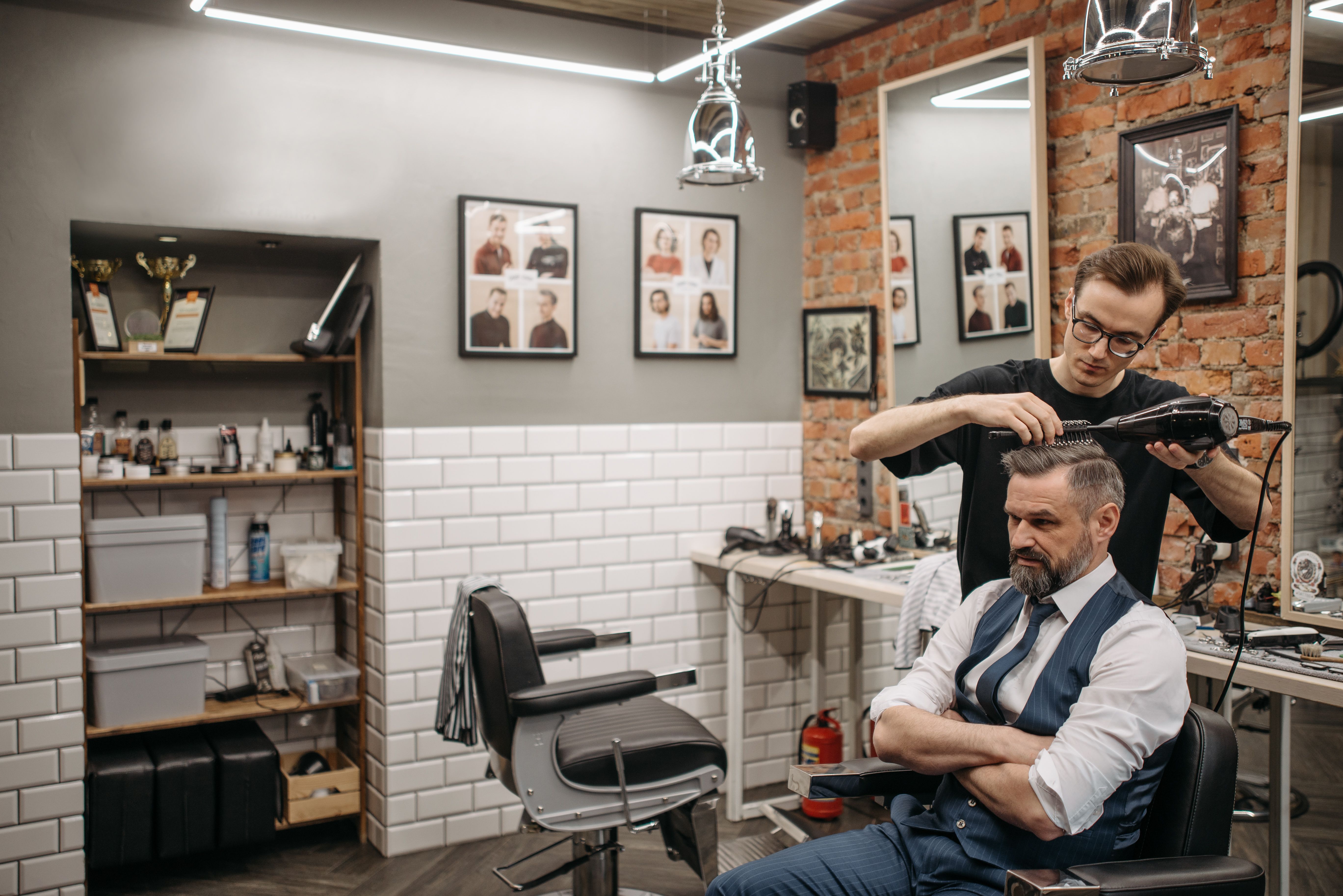
Who Are We Talking About?
Self-employment covers an enormous range of occupations. You do not have to be working on a building site for your health to have a direct impact on your ability to earn.
Professionals and Consultants
- Management consultants
- Accountants and bookkeepers
- Business consultants
- Recruitment consultants
- Financial professionals
- Architects
- Surveyors
- Independent sales consultants
- Professional coaches
- Private tutors
Your work may not be particularly physical, but it can depend heavily on meetings, deadlines, client relationships and billable time.
Digital, Technology and Creative Professionals
- IT contractors
- Software developers
- Web designers
- Graphic designers
- Marketing consultants
- Copywriters
- Photographers
- Videographers
- Content creators
- Freelance creatives
You may be able to continue working through some health problems, particularly if you work remotely. The bigger issue can be the disruption caused by appointments, investigations, treatment and recovery.
Personal Services
- Hairdressers
- Barbers
- Beauticians
- Nail technicians
- Aesthetics professionals
- Mobile service providers
For many people in these occupations, income is directly connected to appointments. If you're not there, the appointment usually cannot happen.
Health and Fitness Professionals
- Personal trainers
- Fitness instructors
- Sports coaches
- Independent therapists
- Other self-employed health and wellbeing professionals
Your ability to deliver your service may depend heavily on your own physical health.
Property and Driving Professionals
- Estate agents
- Property consultants
- Inventory clerks
- Driving instructors
- Independent property managers
These occupations can involve appointments, travel and being physically available throughout the working day.
Small Business Owners
You might have employees and still find that much of the business depends on you.
Staff may be able to continue working if you're ill, but that does not necessarily mean your role disappears.
Customers may still expect to speak to you. Quotes may need approving. Decisions need making. Staff need managing. New business may depend on your relationships.
Being the owner can make your absence particularly difficult to replace.
Tradesmen and Contractors
Builders, plumbers, electricians, carpenters and other physical trades face a slightly different risk because an injury can immediately affect their ability to perform the job itself.
We have therefore created a separate Private Health Insurance for Tradesmen and Contractors guide specifically for this group.
Being Self-Employed Does Not Mean Everyone Faces the Same Risk
This is an important distinction.
Two people can both describe themselves as self-employed while having completely different businesses.
A freelance software developer with a knee injury may still be able to work.
A personal trainer with the same knee injury might not.
A consultant with a hand injury may be inconvenienced.
A hairdresser could find it impossible to carry out appointments normally.
A photographer may be able to postpone a commercial shoot. A wedding photographer cannot simply ask the couple to move their wedding by six weeks.
That is why we would never look at someone's employment status alone when considering protection.
How dependent is your income on you personally being available and able to do your job?

What Would Actually Happen If You Could Not Work for Four Weeks?
It is worth thinking about this before considering any insurance product.
Ask yourself:
- Would someone else be able to look after your clients?
- Would booked work need to be cancelled?
- Would clients wait for you to return?
- Could you work from home?
- Could you reduce your hours temporarily?
- Would your business overheads continue?
- How much accessible savings do you have?
- Do you have another household income?
- Do you already have income protection?
- Would the business continue without your day-to-day involvement?
The answers can be very different from one self-employed person to another.
Someone with substantial savings, low overheads and a business capable of operating without them may be comfortable carrying more of the risk themselves.
Someone whose income stops almost immediately when they stop working may see things differently.
Being able to choose when you see a specialist, when you have a scan and when treatment takes place can make a significant difference to how much disruption your business actually experiences.

A Few Realistic Examples
The impact becomes easier to understand when you apply it to actual occupations.
The Wedding Photographer
Imagine a self-employed wedding photographer develops problems with their vision. They may already have weddings booked months in advance. The immediate concern is not necessarily surgery. It is finding out what is wrong. Can they safely photograph a wedding? Is the problem temporary? Do they need to cancel future bookings? How long will treatment take? Waiting for answers can itself become commercially disruptive. Access to eligible private consultations and diagnostics could therefore be particularly valuable.
The Hairdresser
A self-employed hairdresser develops persistent pain and weakness in their wrist. They might still be perfectly capable of answering emails, managing their accounts and speaking to clients. But that does not mean they can comfortably spend eight hours cutting and styling hair. Their health problem directly affects the activity that generates their income.
The IT Contractor
Now consider an IT contractor experiencing a medical problem. They may still be able to work. Their issue might instead be repeated appointments, investigations and uncertainty while working on a valuable client contract. For them, the value of private healthcare may be less about physical incapacity and more about getting the problem investigated efficiently while minimising disruption.
These are all self-employed people. Their risks are completely different.
So Where Does Private Health Insurance Fit In?
Private health insurance, also known as private medical insurance or PMI, is designed to pay for eligible private medical diagnosis and treatment in accordance with the terms of the policy.
Its purpose is speed, access and control.
Depending on the policy selected, cover can include eligible:
- Specialist consultations
- Diagnostic tests
- Scans
- Inpatient treatment
- Day-patient treatment
- Cancer treatment
- Therapies
- Digital GP services
The level of cover varies considerably between policies.
If you want to understand these benefits in detail, read our Private Health Insurance Explained guide.
If your concern is protecting your income rather than accessing private healthcare, income protection, critical illness cover and life insurance are designed for different purposes. Our advisors can help you understand which risks you want to protect against.
The important point for this page is what private medical insurance does not do.
It does not pay your invoices.
It does not replace your lost income.
It does not guarantee that your clients will wait for you.
But what it can do is give you more control over the timing.
If you can get a consultation sooner, you find out what you are dealing with sooner. That matters when your income depends on your availability.
If a diagnosis leads to treatment or surgery and the claim is eligible, you can book that around your existing commitments. You choose when to see the consultant. You choose when to have the scan. You are not waiting for a date you had no input on.
For a self-employed person, that control over scheduling can be the difference between a managed disruption and an unmanaged one.

Can I Just Pay Privately When I Need Treatment?
Yes.
You do not need health insurance to access private healthcare in the UK.
You can pay privately for consultations, scans and treatment yourself.
Paying for the odd consultation or a straightforward scan here and there is manageable for many people.
If a problem is difficult to diagnose, the costs can build quickly. Multiple consultations, repeated tests and specialist referrals can run into the thousands before a diagnosis is even reached. And of course, the treatment itself can be extremely costly on top of that.
The challenge is that you do not know in advance what medical problem you may develop or what treating it could ultimately cost.
Having insurance gives you peace of mind against that uncertainty.
What If I Stop Being Self-Employed?
Your health insurance does not necessarily have to disappear simply because your employment circumstances change.
What happens depends on how the policy was arranged.
If you hold an individual policy personally, changing jobs does not automatically mean cancelling it.
If your cover is provided through a company or business arrangement, the situation can be different.
If your circumstances change, speak to an adviser before cancelling existing cover.
There are often ways to reduce your cover to a more manageable level while still keeping some protection in place.
This is particularly important because starting a completely new policy later can mean your medical history is assessed again under new underwriting terms.
How Should a Self-Employed Person Choose Health Insurance?
Start with your circumstances, not the insurer's logo.
Think about your business.
How dependent is it on you?
Then think about your healthcare priorities.
Private health insurance for self-employed people is about giving yourself more control over the timing of diagnosis and treatment, so you can manage any disruption to your business rather than simply reacting to it.
- Do you want extensive outpatient diagnosis?
- How important is it to you to control when consultations, scans and treatment take place?
- Would you want to choose a particular consultant?
- Is there a specific hospital you would want to use?
- How much excess would you comfortably pay?
- Do you have existing medical history that needs considering?
- Would losing your income be a bigger financial concern than paying for private treatment?
- Do you employ anyone?
- Do you want to cover your family?
Once those questions have been answered, comparing policies becomes far more meaningful.
Why Speak to an Adviser?
Getting health insurance quotes is relatively easy.
Understanding why one policy might suit you better than another is the harder part.
The lowest premium may have a restricted hospital network.
A more expensive quote may contain benefits you do not actually need.
A policy that looks comprehensive might have an outpatient structure that does not match your priorities.
Your medical history can also make underwriting an important part of the decision.
Elective Health's FCA-regulated advisers can assess your circumstances, explain the differences between available options and make a recommendation based on your requirements.
The conversation should start with why. What matters most to you? If something happened to your health, how would it affect your day-to-day life and your ability to run your business?
Not which insurer is offering the lowest premium.
Health Insurance Resource Hub
Expert guides to help you navigate private healthcare.
What Our Clients Say
Don't just take our word for it. Here's what our clients have to say about their experience.
Frequently Asked Questions
Private Health Insurance That Fits the Way You Work
There is no single private health insurance policy for 'the self-employed'.
A photographer, consultant, hairdresser, IT contractor and small business owner can all work for themselves while facing completely different risks.
That is why we start with your circumstances.
- How does your business work?
- What happens when you're not there?
- What level of private healthcare access do you want?
- What can you comfortably afford?
- What existing protection do you already have?
- And what are you actually trying to protect?
Elective Health provides FCA-regulated advice and can compare private health insurance options based on your individual circumstances and requirements.
We will explain the differences clearly, including the parts of the policy that are easy to overlook, so you can make an informed decision about your cover.
Speak to Elective Health today
Free, no-obligation review for self-employed professionals and sole traders.
Get in Touch